
Business Intelligence
Data-driven decisions - from raw data sources to executive dashboards
End-to-End BI Solutions for Mid-Market Companies
Business Intelligence is more than a dashboard. It starts with structured data collection from ERP, CRM, and other source systems, continues through robust ETL pipelines and a central data warehouse, and culminates in interactive reports and AI-powered analytics. Elasticbrains guides mid-market companies through the entire journey - from data strategy through technical implementation to continuous optimization. The result: decision-makers have access to reliable, current metrics at any time - without IT detours and without manual data preparation.
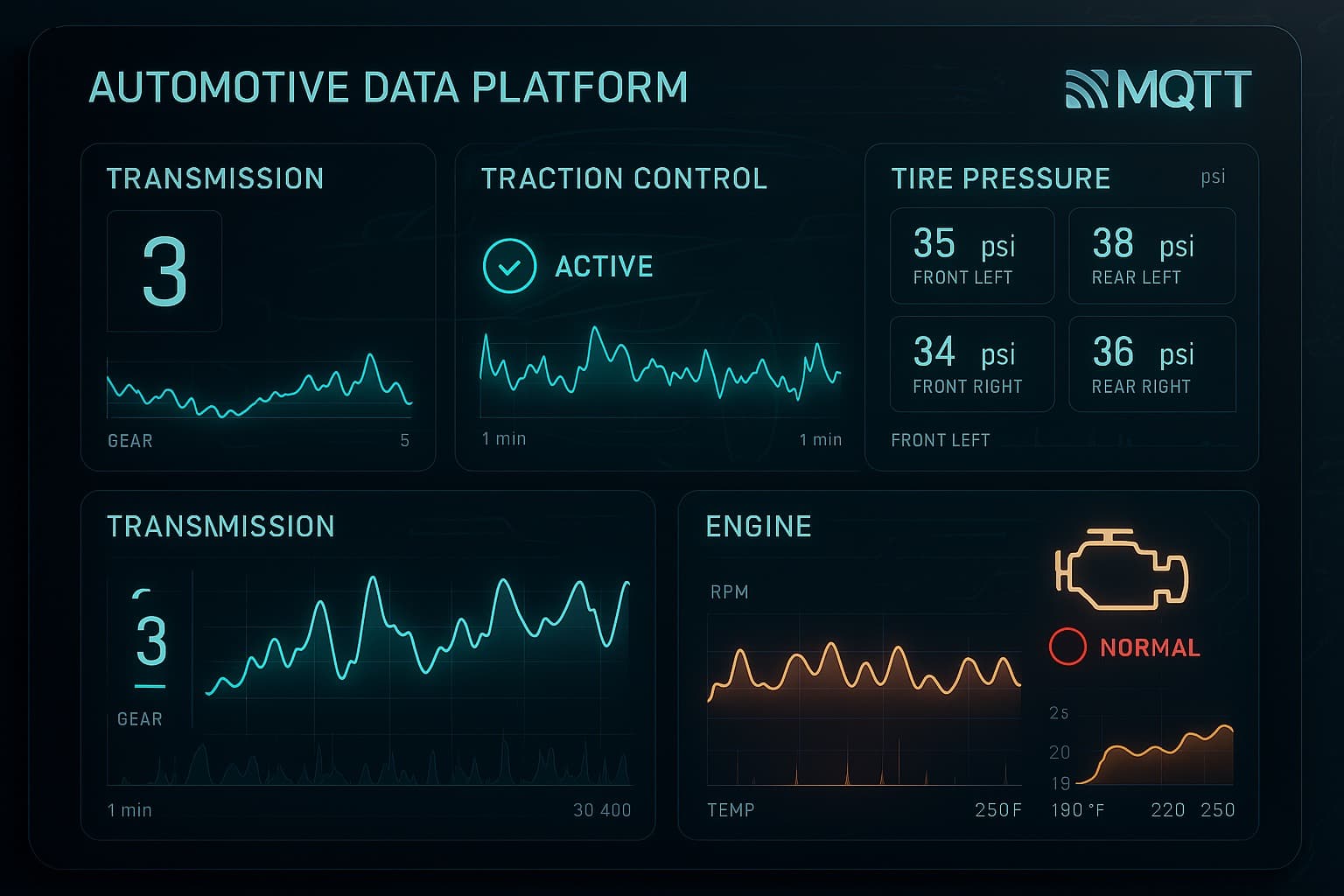
BI Building Blocks at a Glance
A complete BI solution consists of several coordinated layers. We cover all of them:
Data Warehouse & Data Modeling
Building a central data repository that consolidates and historizes all enterprise sources - as the foundation for consistent analyses and audit-proof reports.
ETL Pipelines & Data Integration
Automated extract, transform, and load processes with Apache Airflow, dbt, or n8n. Integration of ERP, CRM, IoT systems, web analytics, and custom APIs.
Self-Service BI & Reporting
Business departments analyze independently - with Power BI, Tableau, Metabase, or Apache Superset. We set up role separation and GDPR-compliant data access concepts.
AI-Powered Analytics
Predictive analytics, anomaly detection, and natural language querying extend classic BI capabilities. Patterns and deviations are automatically recognized before they appear manually.
Our BI Solutions in Detail
From data collection through modeling to the finished report - an overview of the components in our BI implementations:
Data Visualization
UX-focused visualization of complex datasets for clear communication.
Customizable Dashboards
Modular dashboard systems that grow with your requirements.
ETL & Data Integration
Automated data pipelines for reliable and consistent data supply.
Glossar: Data Analytics
Grundbegriffe und Konzepte rund um Datenanalyse, BI und moderne Datenarchitekturen.
Technology Stack for Business Intelligence
We choose tools based on requirements, not preferences. We combine proven open-source solutions with established enterprise BI platforms:
Our BI Implementation Process
- Requirements Analysis: We identify the relevant decision-making levels, review available data sources, and define together with business departments which KPIs and reports will deliver the most value.
- Data Strategy & Architecture: Based on requirements, we develop a scalable BI architecture: data warehouse concept, ETL strategy, data layer modeling, and tool selection.
- Data Integration & ETL Setup: We build automated pipelines that extract, cleanse, and load data from all relevant source systems into the central data repository - reliably and traceably.
- Data Modeling & Warehouse: Structured modeling of data layers (raw, staging, mart) with dbt or SQL, so that reports can draw on consistent, predefined metrics.
- Dashboard & Report Development: Building the visualization layer: executive dashboards, operational reports, and self-service workspaces for business departments - responsive and intuitive to use.
- Rollout & Training: Phased rollout with training for end users and administrators, so the BI system can be independently maintained and extended.
- Monitoring & Further Development: Ongoing monitoring of data pipelines, proactive error resolution, and expansion of the reporting scope based on new business requirements.
Frequently Asked Questions about Business Intelligence
From what company size does a BI solution pay off?
BI solutions are not limited to large enterprises. Even with 20-50 employees, when data from multiple systems must be manually consolidated, a structured BI infrastructure pays off. What matters is not the size, but the question: Are we making decisions based on reliable, current data or on estimates and Excel spreadsheets?
How long does it take to implement a BI solution?
It depends on the scope. A first productive dashboard with connected source systems can be realized in four to eight weeks. A complete data warehouse with multiple data sources and automated pipelines typically requires three to six months. We recommend an iterative approach: start with the biggest pain point and expand step by step.
Which BI tool is right for us - Power BI, Tableau, or Metabase?
It depends on budget, technical competence, and existing infrastructure. Power BI is well suited for Microsoft-centric environments. Tableau is strong for exploratory analysis with high visualization requirements. Metabase and Apache Superset are open-source alternatives with a lower entry barrier. We recommend based on requirements, not preferences - and avoid vendor lock-in where possible.
How is GDPR compliance ensured?
GDPR compliance is an integral part of our BI architecture: role-based data access concepts, data masking for sensitive fields, logging of database accesses, and clearly defined retention periods. Personal data is only included in the data warehouse to the extent necessary.
Can we connect existing data sources like our ERP or CRM?
Yes. We have experience connecting common ERP systems (SAP, Microsoft Dynamics, Odoo), CRM platforms (Salesforce, HubSpot, Pipedrive), IoT data sources, web analytics (Matomo, Google Analytics), and custom databases via REST APIs. The connection is made through standardized ETL pipelines that are built to be robust and low-maintenance.
Ready for Your Project?
Let us clarify in a non-binding initial conversation how we can best support you.
Free · No obligation · Personal initial consultation by experienced Munich experts