
Efficiency Optimization
Measurable Cost Reduction and ROI-Secured Efficiency Gains for Your Business
Efficiency optimization means more than structural improvements: we measure the economic impact of every measure before we start building. Each initiative gets a clear business case - with concrete OPEX savings, return-on-investment projections, and defined KPIs that are monitored in ongoing operations.
While process optimization asks how workflows should be structured, efficiency optimization asks: how much do we save? What is the status quo costing us per month? Which automation pays off in less than 12 months? This business-oriented perspective is our core difference from pure process consulting.
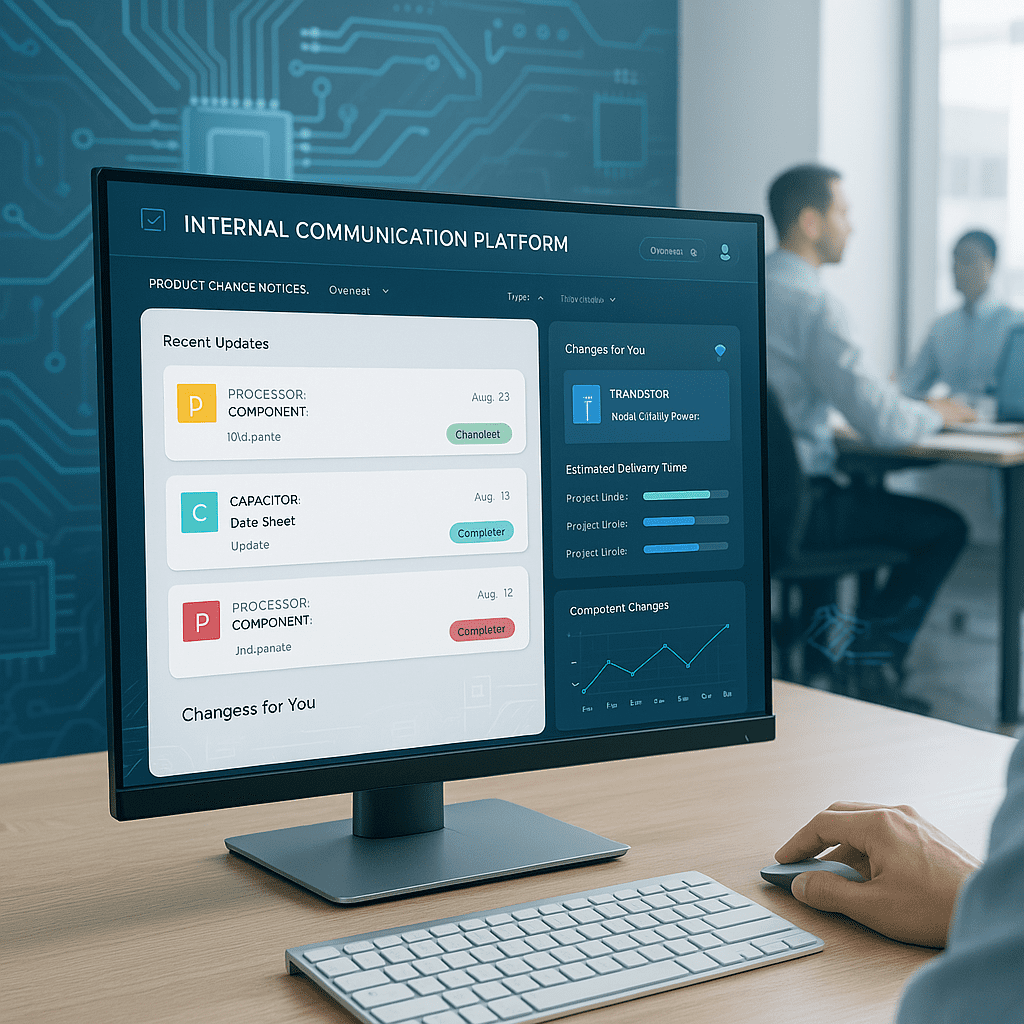
Quantified ROI per Measure
Quantified ROI per Measure
Every optimization is backed by a business case before implementation: investment costs vs. annual savings, break-even point, and expected 3-year return.
OPEX Reduction as the Goal
We focus on operational cost drivers: staff utilization, process cycle times, error costs, and interface overhead. All savings potentials are quantified in monetary terms.
KPI-Driven Management
Instead of assumptions, we work with data. We define measurable performance indicators and implement dashboard-based monitoring that makes deviations immediately visible.
Lean Methodology as Foundation
Value Stream Mapping, value stream analysis, and ABC analysis reveal where resources are unproductively tied up. Waste is systematically eliminated, not just shifted.
Our Services in Efficiency Optimization
ROI Analysis and Business Cases
We create a complete business case for every potential optimization area: as-is costs, target costs, implementation effort, and projected return on investment. This way you decide based on numbers, not intuition.
Value Stream Mapping and Analysis
Using lean methods, we analyze the complete value stream of your core processes. We identify waiting times, idle times, unnecessary transport, and rework that are direct cost drivers.
Lean Six Sigma Projects
For areas with high error rates or unstable results, we apply DMAIC cycles. Data-driven error analysis, root cause investigation, and statistically validated improvements permanently reduce scrap, rework, and warranty costs.
Automation Business Cases
We calculate which manual processes can be economically replaced through workflow automation or AI. This includes an honest comparison of development costs, maintenance effort, and saved personnel costs. Learn more about concrete implementation under Automation Solutions.
KPI Dashboards and Performance Monitoring
Efficiency can only be managed when it is measured. We design and implement KPI systems that keep operations managers and executives informed daily about efficiency status - from cycle times to resource utilization.
Benchmarking and Potential Analysis
We compare your metrics against industry averages and best-practice references. This shows where you stand relative to competitors and which improvement levers would have the greatest effect.
Methods and Tools
Lean Six Sigma (DMAIC)
Define, Measure, Analyze, Improve, Control. The cycle ensures sustainable quality and efficiency gains with statistical validation.
Value Stream Mapping
Visualization of material and information flow along the entire value chain. Sources of waste become transparent and quantifiable.
ABC Analysis
Prioritization of resources, suppliers, and processes by value contribution. The 20-percent analysis that achieves 80 percent of efficiency gains.
Process Mining
AI-supported analysis of real process data from ERP, CRM, and workflow systems. Deviations from the target process are automatically detected and quantified.
Benchmarking
Comparison of your own metrics with industry benchmarks and internal best practices to identify optimization potentials with high economic leverage.
ROI Calculation and Business Case
Standardized framework for calculating return on capital, break-even point, and total cost of ownership for every optimization measure.
Typical Use Cases
OPEX Reduction in Operations
Analysis of operational costs in production, logistics, or service departments. Typical savings: 10 to 25 percent of OPEX through eliminated waste, shortened cycle times, and optimized staff utilization.
Automation ROI Calculation
Before every automation project, we create the business case: how many full-time equivalents are relieved? Which error costs are eliminated? When does the investment pay off? This makes automation decisions rationally justifiable.
Time-to-Market Reduction
Identification of bottlenecks in development and approval processes. By specifically eliminating waiting times, multiple approvals, and interface friction, we typically reduce time to market by 20 to 40 percent.
Staff Utilization Optimization
Analysis of where qualified employees are tied up with unproductive tasks. Through redistribution, automation, or process cleanup, capacity is freed up for value-adding work.
Efficiency vs. Process Optimization: The Difference
Process optimization and efficiency optimization are related, but not identical. Process optimization asks: how should workflows be structured? Efficiency optimization asks: how much is the current state costing us, and what economic benefit results from improvement? While process optimization targets structure, standardization, and consistency, efficiency optimization measures the financial leverage of every measure. Both approaches complement each other: often a process optimization provides the structural foundation on which efficiency optimization realizes maximum monetary benefit.
More on structural process optimizationFrequently Asked Questions about Efficiency Optimization
What is the difference between process optimization and efficiency optimization?
Process optimization improves the structure and flow of processes. Efficiency optimization additionally measures the economic value of these improvements: how much OPEX is saved? What ROI results? When does the investment pay off? Efficiency optimization often needs a solid process structure as a foundation - both approaches complement each other.
How does Elasticbrains create a business case for optimization measures?
We first collect the as-is costs of the process in question, quantify inefficiencies in euros per year, and calculate the implementation effort (consulting, technology, change management). This produces a complete business case with break-even point, 3-year ROI, and sensitivity analysis for various scenarios.
For which company sizes is efficiency optimization suitable?
Efficiency optimization is economically viable from approximately 50 employees, as structural inefficiencies only become significant cost drivers at this size. The approach has the greatest leverage in mid-market companies with 100 to 2,000 employees, where processes have grown organically but large-enterprise structures do not yet exist.
What cost savings are realistic?
Depending on the maturity of existing processes, 10 to 30 percent OPEX reduction in the optimized areas is realistic. Automation projects often achieve an ROI of 200 to 400 percent within three years. We always provide a conservative, a realistic, and an optimistic projection.
How long does a typical efficiency optimization project take?
A potential analysis with business cases typically takes 4 to 8 weeks. The subsequent implementation phase depends on scope: smaller quick wins can be realized in 4 to 12 weeks, complex optimization programs with automation run 3 to 12 months.
Ready for Your Project?
Let us clarify in a non-binding initial conversation how we can best support you.
Free · No obligation · Personal initial consultation by experienced Munich experts